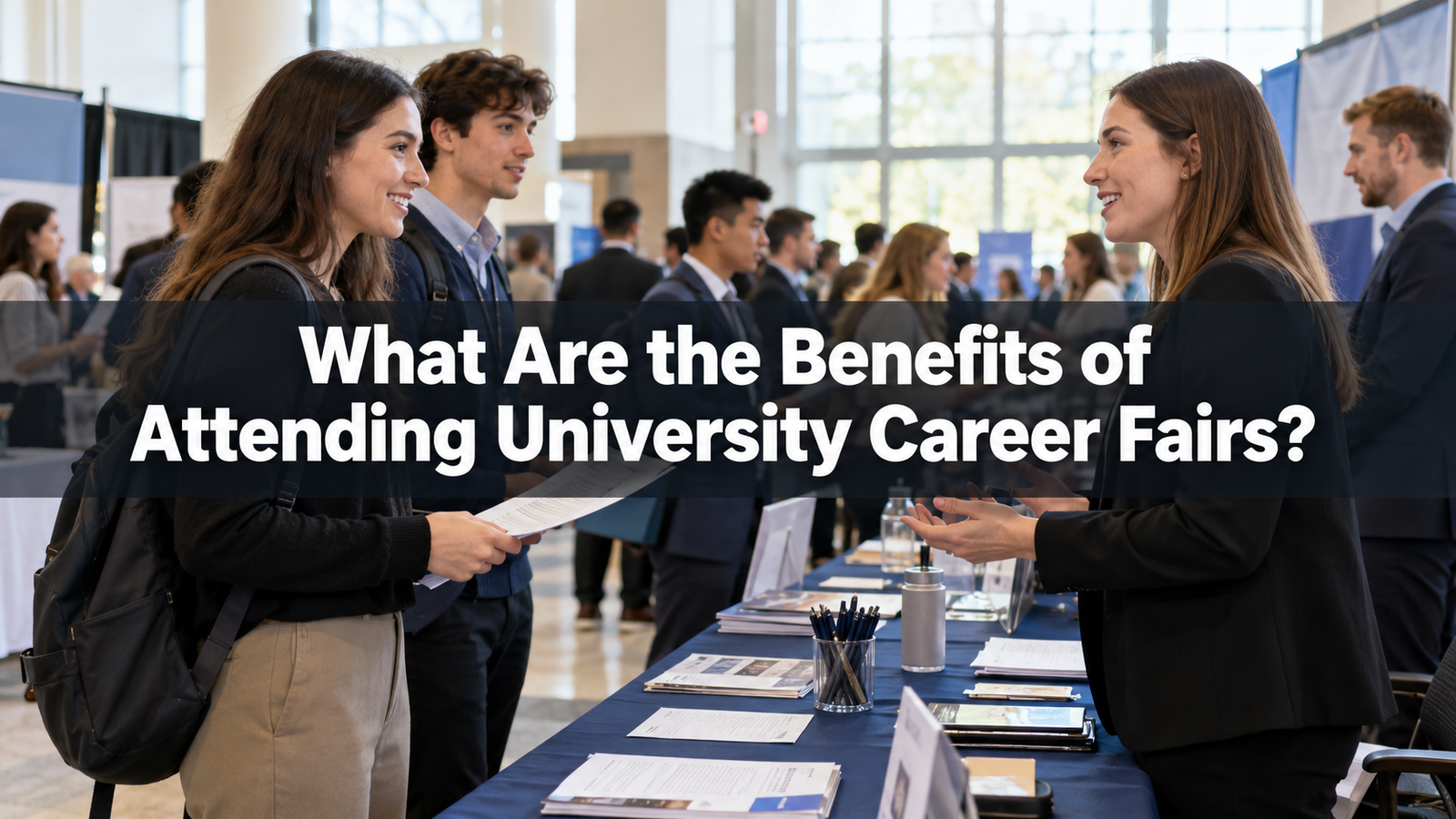
University life is an important period when students develop knowledge, discover their interests, and prepare for professional careers. Although academic qualifications provide a strong foundation, students also need practical information about employment opportunities and workplace expectations. One useful way to gain this knowledge is by attending university career fairs.
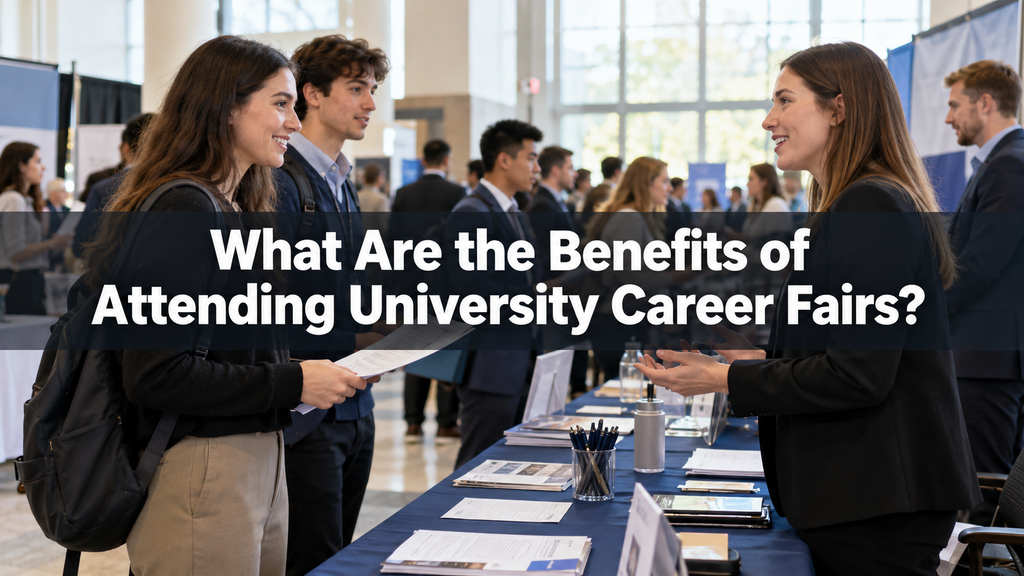
University career fairs bring students, employers, recruiters, and industry professionals together in one place. These events allow students to explore different career paths, learn about organizations, and understand the skills required in the professional world. They also provide opportunities to ask questions, establish professional connections, and discover internships or graduate employment programs.
The benefits of attending university career fairs go beyond finding a job. Students can improve their communication abilities, gain confidence, understand recruitment procedures, and make better career decisions. Even students who are not ready to apply for employment can benefit from attending these events.
This article explains the major benefits of attending university career fairs and how students can use these opportunities to prepare for their professional future.
1. Understanding Different Career Opportunities
One of the greatest benefits of attending university career fairs is the opportunity to explore different career options.
Many university students have limited knowledge about the professional opportunities available after graduation. They may understand their academic subjects but remain uncertain about the types of jobs connected to their qualifications.
Career fairs introduce students to organizations operating in different industries. Representatives explain their business activities, employment positions, and professional requirements.
For example, a student studying business administration may discover opportunities in marketing, finance, human resources, customer relations, and business operations.
Similarly, engineering students may learn about careers in manufacturing, construction, energy, technology, and research.
By exploring these possibilities, students can identify career paths that match their interests, abilities, and educational backgrounds.
This experience helps students develop a clearer understanding of the professional world before completing their degrees.
2. Meeting Employers and Recruitment Professionals
University career fairs provide valuable opportunities for students to communicate directly with employers.
Normally, job applicants learn about organizations through websites, advertisements, and online recruitment platforms. However, career fairs allow students to speak personally with company representatives.
These conversations help students understand what employers expect from new graduates.
Recruiters may explain the qualifications, technical abilities, and personal qualities they consider important when selecting candidates.
Students can also ask questions about entry level positions, training programs, and professional development opportunities.
Meeting employers directly makes the recruitment process more understandable and less intimidating.
Students who communicate respectfully and demonstrate genuine interest may also leave a positive impression on recruitment representatives.
Although attending a career fair does not guarantee employment, it creates opportunities for meaningful professional interaction.
3. Discovering Internship Opportunities
Internships are an important part of professional preparation because they allow students to experience real workplace environments.
Many organizations participate in university career fairs to introduce internship programs and attract talented students.
These opportunities are particularly useful for students who have not yet completed their degrees.
During career fairs, students can learn about internship requirements, application procedures, expected responsibilities, and program durations.
They may also discover opportunities that are not widely advertised through university notice boards.
For example, a computer science student may learn about a software development internship that provides experience in programming, testing, and project management.
Similarly, an accounting student may discover training opportunities within financial departments.
Internships help students connect classroom knowledge with practical responsibilities.
They also provide experiences that students can include in their professional resumes.
4. Building Professional Networks
Professional networking plays an important role in career development.
Networking involves developing relationships with individuals who can share knowledge, offer guidance, or introduce professional opportunities.
University career fairs provide a suitable environment for beginning these connections.
Students can meet company representatives, recruitment specialists, university graduates, and professionals working in their preferred industries.
During conversations, students can introduce themselves, discuss their educational interests, and ask thoughtful questions.
They may also exchange professional contact information when appropriate.
After attending the event, students can maintain contact through professional networking platforms such as LinkedIn.
These relationships may become useful when students search for internships, employment, or career guidance in the future.
Effective networking does not mean asking every person for a job. It means building respectful relationships based on communication, curiosity, and professional interests.
5. Improving Communication Skills
Communication skills are essential for professional success.
Employees regularly communicate with colleagues, managers, customers, and other individuals in workplace environments.
University career fairs provide students with opportunities to practice these abilities in professional situations.
Students must introduce themselves clearly, explain their academic backgrounds, and discuss their career interests.
They also need to listen carefully and respond appropriately to questions.
At first, some students may feel nervous when speaking with employers. However, repeated conversations can help them become more comfortable.
For example, a student who initially struggles to explain their interests may improve after speaking with several recruitment representatives.
This experience develops verbal communication, active listening, and professional confidence.
These abilities are useful during job interviews, internships, presentations, and workplace discussions.
6. Learning About Employer Expectations
Understanding employer expectations is another important benefit of attending university career fairs.
Students sometimes assume that strong examination results are enough to secure employment.
Although academic performance can be important, organizations may also evaluate practical skills, communication abilities, teamwork, and professional behavior.
Career fair representatives can explain the qualities they seek in graduates.
For example, technology companies may value problem solving, programming knowledge, and collaborative abilities.
Marketing organizations may emphasize creativity, communication, research, and customer understanding.
Employers may also discuss the importance of adaptability, responsibility, and continuous learning.
This information helps students compare their current abilities with professional requirements.
When students identify weaknesses, they can take appropriate steps to improve before graduation.
7. Developing Confidence in Professional Situations
Confidence often develops through preparation and experience.
Many students feel uncertain about communicating with experienced professionals because they have limited exposure to workplace environments.
University career fairs provide a supportive setting where students can practice professional interaction without the pressure of a formal job interview.
They can ask questions, explain their educational achievements, and discuss future goals.
Each successful conversation can increase their confidence.
Students may gradually become more comfortable introducing themselves and speaking about their abilities.
This confidence can be particularly valuable when they attend recruitment interviews or professional meetings later.
Career fairs also teach students that employers are approachable individuals who are interested in discovering suitable candidates.
Understanding this can reduce unnecessary anxiety about entering the professional world.
8. Understanding the Recruitment Process
Recruitment procedures vary between organizations and industries.
Some employers require online applications, while others conduct aptitude tests, interviews, group discussions, or practical assessments.
University career fairs help students understand these procedures before they begin applying for jobs.
Recruitment representatives may explain application deadlines, selection criteria, and interview expectations.
Students can also learn about graduate trainee programs and the stages involved in selecting participants.
For example, an organization may explain that applicants must submit a resume, complete an assessment, and attend a final interview.
Knowing these steps allows students to prepare more effectively.
They can improve their resumes, practice interview questions, and develop relevant abilities.
This preparation may reduce confusion when students begin their actual employment searches.
9. Receiving Guidance About Resume Preparation
A professional resume is an important document for employment applications.
It introduces a candidate’s education, abilities, experience, and achievements to potential employers.
However, many students are unsure about presenting their qualifications effectively.
Some university career fairs include resume review sessions or opportunities to discuss application documents with recruitment professionals.
Students may receive suggestions about resume organization, relevant skills, and presentation.
For example, recruiters might explain how students can describe academic projects, volunteer experience, or internships more clearly.
They may also identify unnecessary information that makes resumes difficult to read.
Even when formal resume reviews are unavailable, conversations with employers can help students understand what information matters for particular positions.
These insights allow students to prepare more relevant and professional applications.
10. Exploring Different Industries
Students often associate their university degrees with a limited number of careers.
However, many academic qualifications are useful across several industries.
University career fairs help students discover these wider possibilities.
For example, a mathematics graduate may find opportunities in banking, data analysis, education, insurance, and technology.
A psychology student may explore careers in research, human resources, education, and community services.
Similarly, students studying communication may discover opportunities in media, marketing, public relations, and corporate communication.
Exploring different industries helps students understand that career choices are not always limited to traditional occupations.
This knowledge encourages flexible thinking and allows students to consider opportunities they may not have previously recognized.
11. Learning About Workplace Culture
Workplace culture influences how employees communicate, collaborate, and perform their responsibilities.
Different organizations have different expectations regarding teamwork, professional behavior, working arrangements, and employee development.
Career fairs provide opportunities to learn about these differences.
Students can ask employers about training programs, team structures, mentoring opportunities, and working environments.
They may also inquire about employee development and organizational values.
For example, one company may emphasize collaborative projects, while another may provide structured training for new graduates.
Understanding workplace culture helps students evaluate whether an organization matches their professional preferences.
A suitable working environment can contribute to employee satisfaction, motivation, and long term development.
Therefore, students should consider organizational culture alongside salary and job responsibilities.
12. Making Better Career Decisions
Choosing a career is an important decision that can influence future education, professional development, and personal goals.
Many students make career decisions based on limited information or the opinions of others.
University career fairs allow them to gather information directly from professionals.
Students can compare different industries, understand job responsibilities, and identify qualifications required for specific positions.
They may also learn about career progression and additional training opportunities.
For example, a student considering careers in finance and marketing can speak with representatives from both fields.
These discussions may reveal differences in daily responsibilities, technical requirements, and professional development.
Students can then evaluate which field better matches their interests and strengths.
Informed decisions are generally more useful than choices based only on assumptions.
13. Discovering Graduate Training Programs
Many organizations provide structured training opportunities for recent university graduates.
These programs help new employees develop professional abilities while gaining practical experience.
University career fairs frequently introduce students to graduate recruitment and training opportunities.
Representatives may explain program eligibility, training periods, departmental rotations, and application requirements.
Some programs provide experience in several departments before participants move into specific roles.
Such opportunities can be valuable for graduates who want to understand business operations before selecting a specialization.
Career fairs help students discover these programs early enough to prepare their applications.
They also allow students to ask whether particular academic qualifications or technical abilities are required.
14. Identifying Skills That Need Improvement
Professional development becomes more effective when students understand their strengths and weaknesses.
Career fairs provide valuable information about the skills currently expected in different occupations.
Students may discover that employers require abilities they have not yet developed.
For example, a business student may realize that spreadsheet analysis and presentation skills are important for their preferred career.
An engineering student may learn that certain design software or technical certifications are commonly requested.
This knowledge allows students to create practical improvement plans.
They can attend workshops, complete relevant courses, participate in university projects, or seek practical experience.
Identifying skill gaps before graduation provides additional time for preparation.
It also encourages students to take responsibility for their professional development.
15. Finding Opportunities Beyond Immediate Employment
University career fairs are not useful only for students searching for permanent jobs.
These events may also introduce volunteer programs, research opportunities, professional workshops, and further education options.
Some organizations share information about mentoring programs or industry competitions.
Others may explain professional certifications that can support future career growth.
Students who are still in the early stages of university can benefit from learning about these opportunities.
For example, a first year student may not qualify for a graduate position but can discover which experiences would make them a stronger candidate later.
Career fairs therefore support students at different stages of their educational journeys.
16. Preparing for Future Job Interviews
Career fairs can also serve as informal preparation for employment interviews.
When students communicate with recruiters, they often answer questions about their qualifications, interests, achievements, and future plans.
These discussions resemble some aspects of formal interviews.
Students learn how to present their strengths clearly and explain why they are interested in particular industries.
They also observe the types of questions employers ask.
After the event, students can reflect on their conversations and identify areas that require improvement.
For example, a student who struggled to explain a university project can prepare a clearer description before attending an actual interview.
This practice helps students develop stronger interviewing abilities over time.
How Can Students Make the Most of University Career Fairs?
Simply attending a career fair is not enough to receive every possible benefit.
Students should prepare carefully and participate actively.
Before attending, they can research participating organizations and identify those connected to their career interests.
Preparing a short professional introduction can make conversations easier.
Students should also bring updated resumes when the event includes recruitment opportunities.
During the event, they should communicate politely, ask relevant questions, and listen carefully to employer responses.
Taking brief notes can help students remember important details about organizations and application procedures.
After the event, they should review the information collected and follow up with professional contacts when appropriate.
Students should also explore relevant opportunities and continue improving the skills employers identified as important.
Thoughtful preparation and follow up can turn a short university event into a valuable career development experience.
Frequently Asked Questions
Are university career fairs useful for first year students?
Yes. First year students can explore industries, learn about professional expectations, and identify skills they should develop during university. They do not need to be actively searching for employment to benefit from attending.
Should students bring resumes to career fairs?
Students should bring updated resumes when employers are accepting applications or offering resume reviews. However, they should also follow the event instructions because some organizations accept applications only through online recruitment systems.
Can attending a university career fair help students find internships?
Yes. Many career fairs include organizations offering internships, practical training, and student development programs. Students can learn about eligibility requirements and application procedures directly from representatives.
What questions should students ask employers at career fairs?
Students can ask about entry level responsibilities, important professional skills, internship availability, graduate recruitment programs, workplace training, and application procedures. Questions should reflect genuine interest in the organization.
Do university career fairs guarantee job opportunities?
No. Attending a career fair does not guarantee an interview or employment offer. However, these events can improve students’ understanding of recruitment opportunities and help them prepare stronger applications.
Conclusion
The benefits of attending university career fairs extend far beyond immediate employment opportunities. These events help students explore career paths, understand workplace expectations, develop communication skills, and establish valuable professional connections.
They also introduce internships, graduate training programs, recruitment procedures, and opportunities for personal development.
By speaking directly with employers, students gain practical knowledge that may not be available through textbooks or classroom discussions.
Career fairs also encourage students to evaluate their abilities, identify areas for improvement, and make informed decisions about their professional futures.
For university students, attending career fairs can be an important part of career preparation. With proper planning, active participation, and thoughtful follow up, these events can help students move from academic learning toward meaningful professional opportunities.