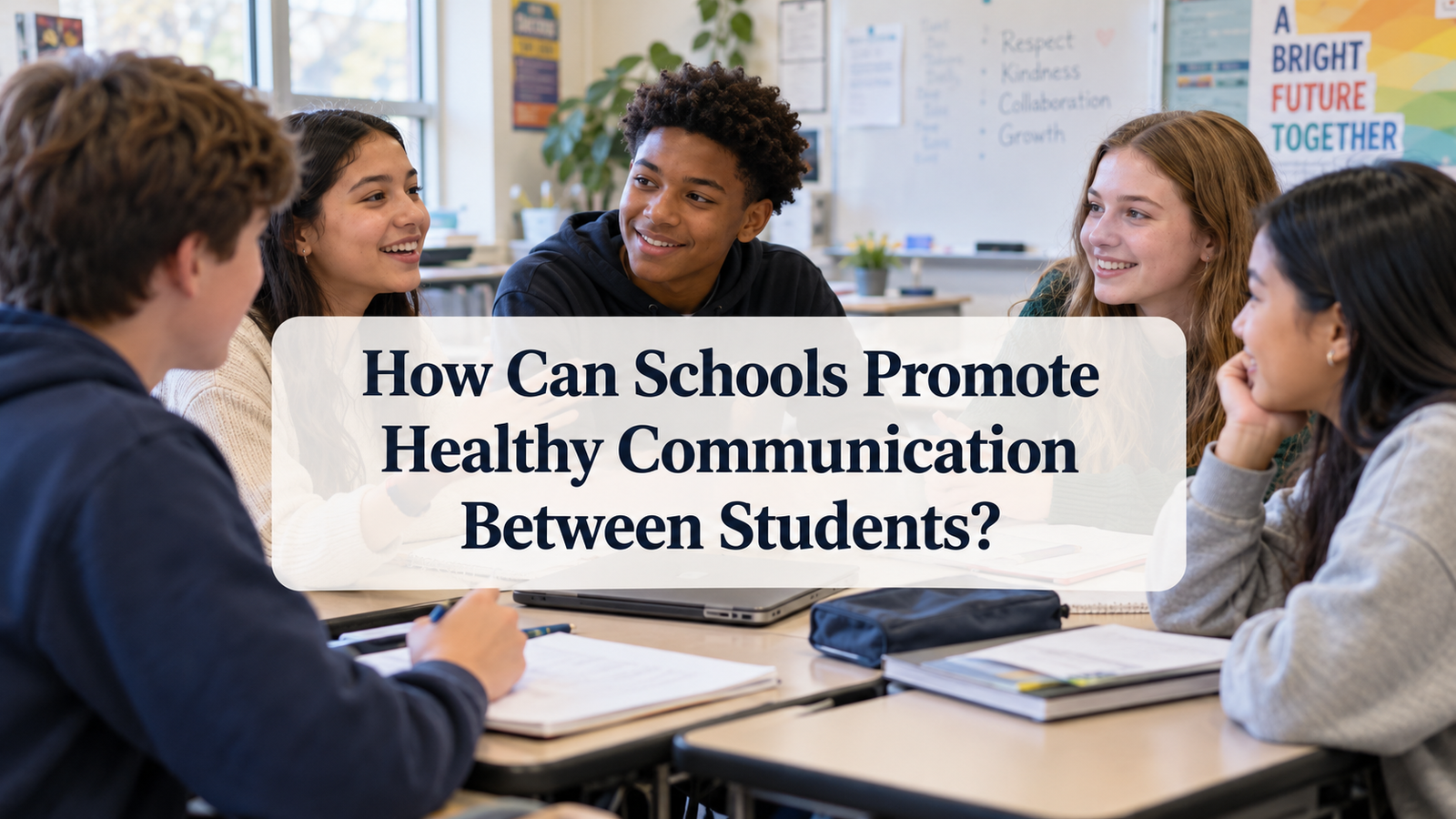
Healthy communication plays an important role in creating a positive learning environment where students feel comfortable sharing their thoughts, asking questions, and building friendships. Schools are not only places where children learn academic subjects. They are also environments where students develop social skills, understand different opinions, and learn how to interact respectfully with others.
When students communicate effectively, they can express their feelings, solve problems, and participate in classroom activities with greater confidence. Good communication also helps students build trust, avoid unnecessary misunderstandings, and develop stronger relationships with their classmates.
However, not every student finds communication easy. Some students are naturally shy, while others struggle to express their emotions or understand different perspectives. Schools can help by creating opportunities for meaningful conversations and teaching students how to communicate with kindness and respect.
Understanding how schools can promote healthy communication between students is essential for teachers, parents, and school administrators who want to support both academic success and personal development.
1. Create a Classroom Environment Based on Respect
A respectful classroom environment is one of the most important foundations of healthy student communication.
Students are more willing to share their thoughts when they know their classmates will listen without making fun of them. Teachers can encourage respectful behavior by establishing clear classroom expectations.
For example, students should understand that interrupting someone, using insulting language, or laughing at another person’s opinion is not acceptable.
Teachers can also demonstrate respectful communication through their own behavior. When teachers listen carefully, respond politely, and acknowledge different opinions, students learn to follow similar practices.
A classroom where everyone feels respected becomes a place where students can participate without unnecessary fear.
Over time, this environment helps develop trust and improves communication between students.
2. Encourage Students to Practice Active Listening
Healthy communication involves more than speaking clearly. Listening is equally important.
Many misunderstandings occur because people respond before fully understanding what someone else is saying.
Schools can teach students active listening skills through classroom discussions, storytelling activities, and group conversations.
Active listening means paying attention to the speaker, avoiding interruptions, and trying to understand the message before responding.
For example, teachers can ask students to listen to a classmate’s explanation and then summarize the main points in their own words.
This simple activity encourages attention and helps students understand different viewpoints.
Students who develop strong listening skills often find it easier to cooperate, resolve disagreements, and maintain positive friendships.
3. Organize Group Learning Activities
Group learning provides students with practical opportunities to communicate with one another.
When students work together on classroom assignments, they must share ideas, discuss solutions, and make decisions as a team.
These activities help students understand that successful teamwork requires patience, cooperation, and respectful communication.
Teachers can organize small groups where every student has a specific responsibility.
For example, one student may collect information, another may organize the findings, and another may present the final results.
This arrangement encourages participation and prevents one student from controlling the entire discussion.
Group activities also help quieter students become more comfortable expressing their opinions.
When properly organized, collaborative learning improves both communication skills and academic understanding.
4. Teach Students How to Express Their Feelings
Students sometimes struggle to communicate because they do not know how to explain their emotions.
Feelings such as disappointment, anger, frustration, and embarrassment can affect the way students interact with others.
Schools can support emotional development by teaching students how to identify and express their feelings appropriately.
For example, instead of shouting during a disagreement, students can learn to say, “I felt upset when you interrupted me.”
This type of communication explains the problem without attacking another person.
Teachers can use classroom conversations, simple examples, and role playing activities to demonstrate healthy emotional expression.
Students should also understand that experiencing difficult emotions is normal, but their responses should remain respectful.
Learning to communicate feelings calmly can reduce unnecessary arguments and improve relationships.
5. Promote Open Classroom Discussions
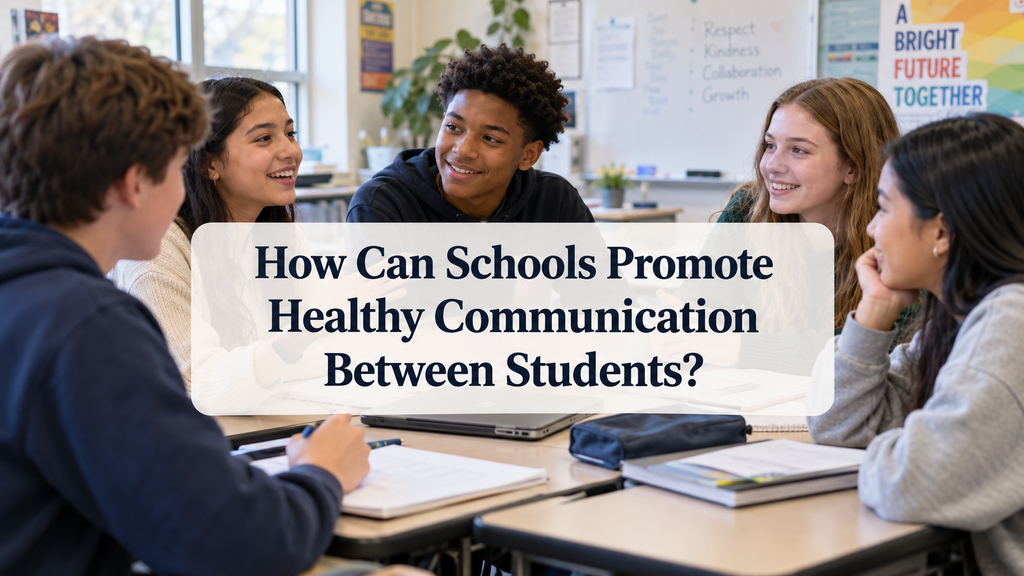
Open classroom discussions encourage students to exchange ideas and learn from different perspectives.
Teachers can introduce age appropriate topics and invite students to share their opinions.
During these discussions, students should have opportunities to ask questions, explain their reasoning, and respond thoughtfully.
For example, a teacher may ask students to discuss how they can make their classroom more welcoming.
Different students may suggest helping new classmates, sharing learning materials, or including everyone in group activities.
These conversations allow students to practice speaking while respecting opinions that differ from their own.
Teachers should guide discussions carefully and ensure that no student feels pressured or embarrassed.
Regular classroom discussions can gradually improve confidence, communication, and critical thinking.
6. Help Students Develop Conflict Resolution Skills
Disagreements are a normal part of school life.
Students may argue about classroom responsibilities, group assignments, games, or personal misunderstandings.
The important lesson is not avoiding every disagreement but learning how to handle conflicts respectfully.
Schools can teach students to identify the problem, listen to both sides, and explore possible solutions.
For example, if two students disagree about sharing classroom equipment, a teacher can help them explain their concerns and decide on a fair arrangement.
Students should learn that blaming, threatening, or insulting others rarely solves problems.
Instead, calm conversations and reasonable compromises often produce better results.
Conflict resolution activities prepare students to manage disagreements both inside and outside school.
7. Encourage Participation From Shy Students
Some students hesitate to speak because they fear making mistakes or receiving negative reactions.
Others may need additional time to organize their thoughts before participating.
Schools should recognize these differences and provide supportive communication opportunities.
Teachers can begin with pair discussions before introducing larger group activities.
Speaking with one classmate may feel less intimidating than addressing an entire classroom.
Written reflections, small presentations, and cooperative assignments can also help students develop confidence.
Teachers should avoid forcing shy students to speak publicly without preparation.
Instead, gradual encouragement and positive feedback can help students become more comfortable.
The goal is to create an environment where every student has a meaningful opportunity to communicate.
8. Establish Clear Rules for Respectful Communication
Clear communication rules help students understand acceptable classroom behavior.
Schools can develop simple guidelines that encourage kindness, honesty, and cooperation.
These rules may include listening without interrupting, speaking politely, respecting personal boundaries, and avoiding hurtful comments.
Teachers should explain why these expectations matter rather than simply asking students to memorize them.
Students can also participate in developing classroom communication rules.
When students contribute their own suggestions, they may feel a stronger sense of responsibility for maintaining a respectful environment.
Schools should apply these expectations consistently during lessons, sports activities, and other student interactions.
Consistent guidance helps turn respectful communication into an everyday habit.
9. Use Role Playing to Teach Communication Skills
Role playing is a practical method for helping students understand real communication situations.
Teachers can create simple scenarios that students may experience during school.
For example, one activity might involve welcoming a new classmate. Another might focus on politely disagreeing with a friend.
Students can practice choosing appropriate words, listening carefully, and responding with empathy.
After each activity, teachers can discuss what worked well and what could be improved.
This reflection helps students recognize how tone, body language, and word choice influence conversations.
Role playing also provides a safe environment for practicing difficult interactions before encountering them in everyday life.
10. Promote Kindness and Empathy Among Students
Empathy means trying to understand another person’s feelings and experiences.
It is an essential part of healthy communication because students do not always share the same opinions, backgrounds, or personal challenges.
Schools can encourage empathy through stories, classroom discussions, and cooperative activities.
For example, teachers may ask students to consider how a new student feels when entering an unfamiliar classroom.
Students can then discuss ways to make that person feel welcome.
These conversations help students recognize that their words and actions can affect others.
Simple habits such as offering encouragement, apologizing sincerely, and including classmates in activities can strengthen relationships.
An empathetic school environment encourages students to communicate with greater patience and understanding.
11. Support Positive Communication During Breaks and Activities
Communication development should not be limited to classroom lessons.
Students also interact during lunch breaks, sports competitions, school trips, and extracurricular activities.
These situations provide opportunities to practice cooperation and social skills.
Schools can organize team games, reading clubs, art activities, and student societies that encourage meaningful interaction.
For example, participating in a school gardening project requires students to discuss responsibilities and coordinate their efforts.
Teachers and supervisors can observe these interactions and provide guidance when necessary.
Positive communication during informal activities can strengthen friendships and help students develop a sense of belonging.
12. Teach Responsible Digital Communication
Modern students frequently communicate through digital platforms, online classrooms, and messaging applications.
Although technology offers useful ways to stay connected, it can also create misunderstandings.
Written messages may lack the tone and facial expressions that help people understand conversations.
Schools should teach students responsible digital communication habits.
Students need to understand the importance of using respectful language, protecting personal information, and thinking carefully before sharing messages.
They should also learn that online teasing, spreading rumors, and sharing embarrassing content can harm others.
Teachers can discuss examples of appropriate online behavior and explain how students can respond to uncomfortable digital interactions.
Digital communication education prepares students to build healthier relationships in both online and offline environments.
13. Strengthen Communication Between Teachers and Students
Students often learn communication habits by observing adults.
Teachers therefore have an important responsibility to demonstrate respectful conversations.
When teachers listen patiently, explain instructions clearly, and respond calmly to mistakes, they provide positive examples.
Students should feel comfortable asking for clarification or discussing classroom concerns.
Teachers can encourage communication by inviting questions and acknowledging student contributions.
For example, a teacher might thank a student for expressing an opinion, even when the answer needs improvement.
This approach encourages participation without creating unnecessary embarrassment.
Strong teacher and student communication also makes it easier to identify problems before they become serious.
14. Involve Parents in Developing Communication Skills
Parents and schools share responsibility for helping children develop healthy communication habits.
Students benefit when respectful communication is encouraged in both environments.
Schools can involve parents through meetings, educational workshops, and regular communication about student development.
Teachers may share simple suggestions that parents can practice at home.
For example, family conversations during meals can provide opportunities for children to express opinions and listen to others.
Parents can also encourage children to explain disagreements calmly rather than reacting with anger.
When schools and families promote similar communication values, students receive more consistent guidance.
This cooperation supports emotional development, confidence, and stronger relationships.
15. Address Bullying and Hurtful Communication
Bullying can seriously damage communication between students.
Students who experience repeated insults, exclusion, threats, or humiliation may become afraid to participate in school activities.
Schools should establish clear procedures for preventing and addressing bullying.
Teachers need to recognize warning signs and respond promptly when students report inappropriate behavior.
Students should understand how to seek help from a trusted adult without fear of retaliation.
Schools can also teach bystanders how to support classmates safely and report harmful behavior.
Simply asking students to communicate better is not enough when intimidation or repeated mistreatment is present.
A safe environment requires responsible adult supervision and appropriate intervention.
When students feel protected, they are more likely to participate confidently in classroom and social activities.
16. Recognize Positive Communication Behaviors
Recognizing good behavior can encourage students to continue practicing healthy communication.
Teachers can acknowledge students who listen respectfully, support classmates, or handle disagreements calmly.
Recognition does not always require prizes or formal certificates.
A simple statement of appreciation can help students understand that their behavior matters.
For example, a teacher may say, “I appreciate how you listened to your classmate before sharing your opinion.”
Specific feedback is especially useful because it identifies the behavior students should continue practicing.
Schools can also celebrate successful teamwork and cooperation during classroom activities.
However, recognition should remain fair and should not create unhealthy competition.
The purpose is to encourage genuine respect rather than reward students only for appearing polite.
17. Provide Opportunities for Student Leadership
Student leadership activities can strengthen communication and responsibility.
Schools may organize student councils, class representatives, or peer mentoring programs.
These opportunities encourage students to discuss concerns, present suggestions, and cooperate with others.
For example, student representatives might collect classmates’ opinions about improving school facilities.
They can then organize the information and communicate their suggestions to teachers or administrators.
Such experiences teach students how to represent different viewpoints respectfully.
Leadership activities also encourage students to consider the needs of others rather than focusing only on personal preferences.
With appropriate guidance, these programs can improve confidence, teamwork, and communication skills.
18. Make Healthy Communication Part of Everyday School Life
Healthy communication cannot develop through occasional lessons alone.
Students need regular opportunities to practice respectful speaking, careful listening, and thoughtful responses.
Schools can include communication activities in different subjects and daily routines.
For example, science lessons may involve group experiments, while literature classes may encourage discussions about characters and emotions.
Teachers can also use short reflection activities to help students evaluate their interactions.
Students might consider whether they listened carefully, respected different opinions, or helped a classmate feel included.
These small habits gradually strengthen communication awareness.
The most successful approach is to make respectful communication a natural part of the school culture.
Why Healthy Communication Matters for Student Development
Healthy communication supports several important aspects of student development.
It helps students build friendships, understand different perspectives, and develop confidence in social situations.
Effective communication can also improve classroom cooperation because students become more comfortable asking questions and discussing learning difficulties.
When students know how to express their concerns respectfully, teachers may find it easier to provide appropriate support.
Communication skills are equally valuable outside school.
Students will eventually use these abilities in higher education, professional environments, family relationships, and community activities.
Learning to listen, cooperate, and resolve disagreements during childhood provides a useful foundation for future responsibilities.
Schools that prioritize these skills help students develop beyond academic achievement.
Conclusion
Promoting healthy communication between students is an important responsibility for every school. A positive learning environment should encourage students to express themselves confidently while respecting the feelings and opinions of others.
Schools can achieve this by teaching active listening, encouraging classroom discussions, organizing group activities, and developing conflict resolution skills. Supporting shy students, preventing bullying, and promoting responsible digital communication are also essential.
Teachers, parents, and school administrators all contribute to building a culture where students feel heard, respected, and included.
Healthy communication develops gradually through daily experiences and consistent guidance. When schools make respectful interaction part of everyday learning, students gain valuable skills that support their education, friendships, and personal growth.
Ultimately, healthy communication between students helps create a school environment where everyone has the opportunity to learn, participate, and develop positive relationships.