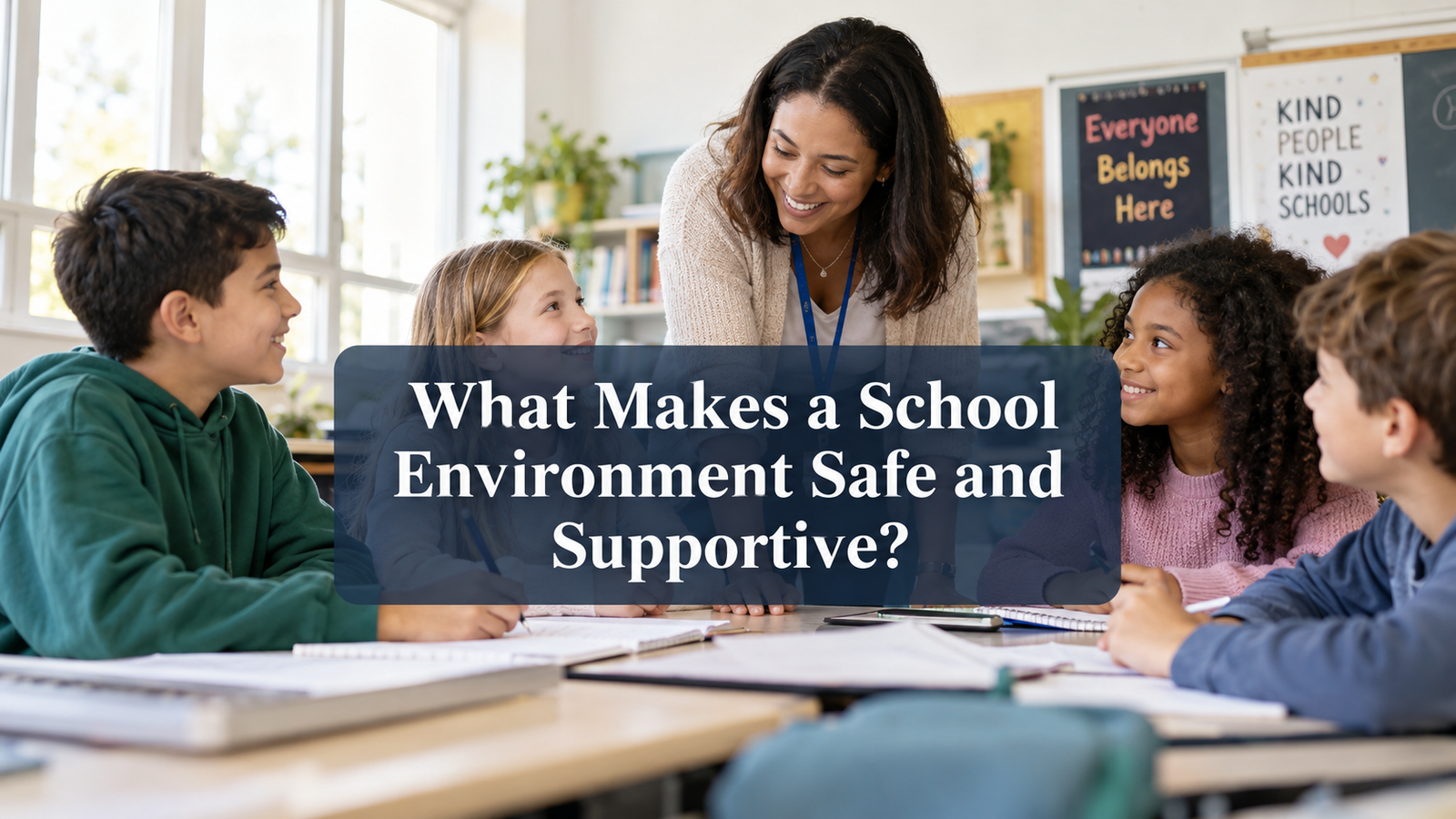
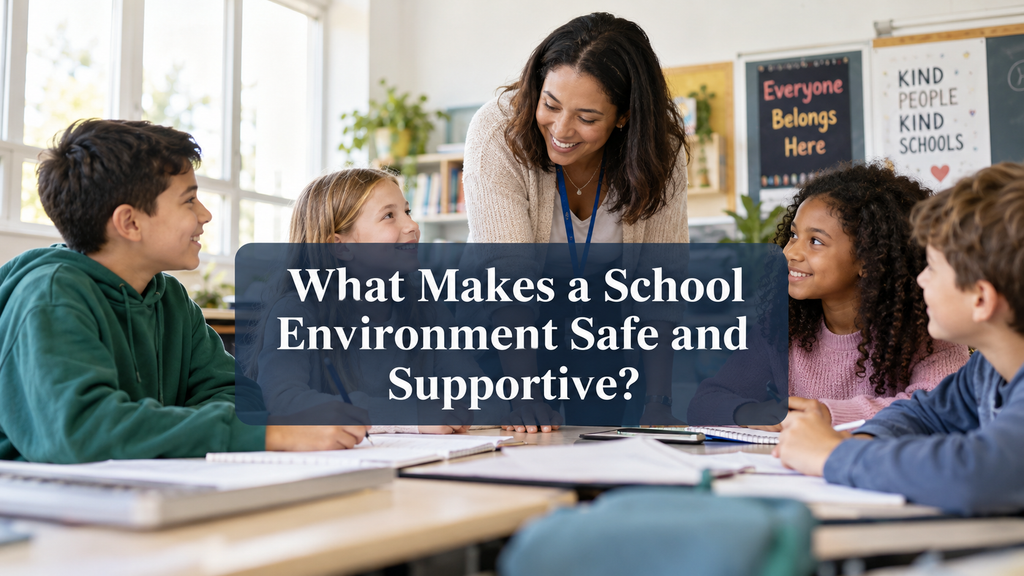
A school is more than a building where students attend classes and complete their assignments. It is a place where children spend a significant part of their day, develop friendships, learn important life skills, and prepare for their future. The atmosphere of a school can influence how students think, behave, and perform academically. This is why creating a safe and supportive school environment is one of the most important responsibilities of educational institutions.
A safe and supportive school environment allows students to learn without unnecessary fear, discrimination, bullying, or emotional pressure. It also encourages teachers, parents, and school administrators to work together for the development of every student.
When students feel respected and protected, they are more likely to participate in classroom activities, express their opinions, and develop confidence in their abilities. Understanding what makes a school environment safe and supportive can help educational communities create better learning experiences for everyone.
Understanding a Safe and Supportive School Environment
A safe school environment is one where students feel physically secure, emotionally comfortable, and socially accepted. Safety includes more than protecting children from accidents or dangerous situations. It also means establishing positive relationships, promoting respectful behavior, and providing equal learning opportunities.
A supportive school encourages students to ask questions, make mistakes, and improve through practice. Teachers guide learners with patience, while school management establishes clear expectations for behavior and discipline.
Students should feel comfortable approaching a trusted adult whenever they face difficulties. A positive school culture helps children understand that their concerns matter and that appropriate support is available.
Creating this environment requires consistent effort from everyone involved in education.
1. Physical Safety and Proper School Facilities
Physical safety is one of the basic requirements of a healthy learning environment. Students should be able to attend school without worrying about unsafe classrooms, damaged furniture, or hazardous facilities.
School buildings should have suitable lighting, proper ventilation, clean drinking water, and accessible sanitation facilities. Classrooms, playgrounds, staircases, and corridors should receive regular inspections to identify potential risks.
Schools should also maintain emergency exits, fire safety equipment, and clear evacuation procedures.
Regular safety drills help students and staff understand what to do during emergencies. These activities can reduce confusion and encourage responsible behavior.
A clean and organized campus also creates a pleasant atmosphere where students can concentrate on their studies.
When educational institutions maintain their facilities properly, they demonstrate their commitment to student wellbeing.
2. Positive Relationships Between Teachers and Students
Healthy relationships between teachers and students are essential for creating a supportive school environment.
Teachers influence not only academic learning but also student confidence, motivation, and emotional development. A respectful teacher can make students feel comfortable sharing ideas and discussing problems.
Students learn better when they know their teachers will listen patiently and treat them fairly.
Teachers can build positive relationships by understanding individual learning needs, appreciating genuine effort, and providing constructive feedback.
For example, when a student struggles with a mathematics problem, an encouraging teacher can explain the concept again instead of criticizing the student.
Small acts of kindness can have a meaningful effect on classroom participation.
A supportive relationship also makes it easier for teachers to identify students who need additional academic or emotional assistance.
3. Preventing Bullying and Discrimination
Bullying can seriously affect a student’s confidence, emotional wellbeing, and interest in education. It may involve physical aggression, verbal insults, social exclusion, or harmful behavior through digital platforms.
Schools should establish clear rules against bullying and discrimination.
Students must understand that making fun of someone’s appearance, background, learning ability, or personal circumstances is unacceptable.
Teachers and administrators should respond to reported incidents fairly and promptly.
Confidential reporting options can encourage students to share concerns without unnecessary fear.
Schools should also teach children about empathy, kindness, and the importance of respecting differences.
Classroom discussions, group activities, and awareness programs can help students recognize harmful behavior.
Preventing bullying is not only about punishment. It also involves developing a culture where students support one another and understand the consequences of their actions.
4. Emotional Wellbeing and Student Mental Health
Emotional wellbeing plays an important role in academic success and personal development.
Students may experience stress because of examinations, family difficulties, friendship problems, or academic expectations. These challenges can affect concentration, classroom behavior, and motivation.
A supportive school recognizes that emotional needs deserve attention alongside educational goals.
Teachers should create opportunities for students to discuss concerns appropriately. School counselors or trained staff members can provide additional guidance when needed.
Simple classroom practices, such as encouraging respectful communication and allowing reasonable breaks, can contribute to a calmer learning atmosphere.
Schools should avoid creating unnecessary pressure through constant comparison or public criticism.
Instead, students should be encouraged to recognize personal progress and develop healthy ways to manage challenges.
When children feel emotionally supported, they are better prepared to participate in learning and build positive relationships.
5. Clear School Rules and Fair Discipline
A safe and supportive school environment requires clear expectations for student behavior.
Rules help students understand their responsibilities and the importance of respecting others. However, discipline should focus on teaching appropriate behavior rather than creating fear.
School policies should be easy to understand and applied consistently.
Students should know what behavior is expected in classrooms, playgrounds, libraries, and other shared spaces.
Teachers can explain the reasons behind school rules so that children understand their purpose.
For example, maintaining silence during certain classroom activities helps everyone concentrate, while following playground rules reduces the risk of injuries.
When disciplinary issues arise, schools should consider the student’s age, circumstances, and the seriousness of the behavior.
Fair consequences, respectful conversations, and opportunities to improve can help students develop responsibility and self control.
6. Inclusive Education and Equal Opportunities
Every student deserves to feel accepted and valued at school.
An inclusive school environment recognizes that children come from different backgrounds and have different abilities, interests, and learning needs.
Some students learn quickly through reading, while others benefit from practical demonstrations or additional explanations.
Teachers should use suitable teaching methods to support different learning styles and individual requirements.
Students with disabilities should have access to appropriate facilities, reasonable accommodations, and necessary learning support.
Schools should also encourage participation regardless of gender, financial circumstances, language, or cultural background.
Inclusive classroom activities help children develop understanding and cooperation.
For example, assigning group projects with clearly defined responsibilities can allow students with different strengths to contribute.
When schools promote fairness and inclusion, children learn that diversity is a normal and valuable part of society.
7. Encouraging Student Participation and Confidence
Students feel more connected to their school when they have opportunities to participate in decisions and activities.
A supportive educational environment encourages students to ask questions, express ideas, and share constructive suggestions.
Teachers can create this atmosphere through classroom discussions, presentations, collaborative assignments, and student leadership activities.
School councils and student committees may also provide opportunities for children to develop responsibility.
Students should understand that their opinions are valuable, even when teachers or classmates have different viewpoints.
Respectful disagreement can become an important learning experience.
Encouraging participation also helps students practice communication, teamwork, and problem solving.
A classroom where learners feel comfortable speaking is more likely to develop curiosity and active engagement.
These qualities can benefit students throughout their educational journey.
8. Maintaining Cleanliness and Healthy Habits
A clean school environment supports student comfort, hygiene, and general health.
Classrooms, washrooms, drinking water facilities, and eating areas should be cleaned regularly.
Schools should provide suitable waste disposal arrangements and encourage students to maintain cleanliness.
Basic hygiene education can teach children the importance of washing hands, using clean drinking water, and maintaining personal hygiene.
Proper ventilation and regular maintenance can also contribute to a healthier indoor environment.
Teachers may involve students in simple cleanliness activities, such as keeping desks organized and disposing of rubbish correctly.
However, responsibility for maintaining safe sanitation facilities should remain with school management and trained staff.
Healthy habits developed during school years can continue into adulthood.
By promoting cleanliness, schools help students understand the connection between their surroundings and personal wellbeing.
9. Strong Communication Between Schools and Parents
Parents and teachers share responsibility for supporting children’s education and development.
Regular communication between home and school helps identify academic difficulties, behavioral concerns, and emotional challenges.
Parent teacher meetings provide opportunities to discuss student progress and explore practical solutions.
Schools can also communicate through newsletters, messages, scheduled appointments, and educational platforms.
Communication should remain respectful, clear, and focused on student improvement.
For example, when a child begins missing assignments, teachers can contact parents to understand whether additional support is needed.
Similarly, parents should feel comfortable informing schools about important circumstances that may affect learning.
Successful communication creates trust and reduces misunderstandings.
When families and educators cooperate, students receive more consistent encouragement and guidance.
10. Providing Academic Support for Different Learners
Not every student understands a lesson at the same speed.
Some children may need additional explanation, while others require more challenging activities to remain engaged.
A supportive school recognizes these differences and provides suitable academic assistance.
Teachers can identify learning difficulties through classroom observations, assignments, discussions, and regular assessments.
Additional practice sessions, peer learning, and individual feedback may help students improve their understanding.
Learning support should be provided without embarrassing children or making them feel less capable.
Students should be encouraged to view mistakes as opportunities to learn.
For example, a student who struggles with reading comprehension may benefit from shorter passages, guided questions, and consistent practice.
Supporting different learning needs helps schools create an environment where academic progress is possible for more students.
11. Safe Use of Technology and Digital Resources
Technology has become an important part of modern education.
Computers, online learning platforms, and digital resources can make lessons more interactive and accessible. However, schools must teach students how to use technology responsibly.
Digital safety education should include protecting personal information, recognizing suspicious messages, and avoiding harmful online interactions.
Teachers should explain why students should not share passwords or private details with strangers.
Schools should also establish suitable rules for using devices during lessons.
Age appropriate internet access and responsible supervision can reduce exposure to inappropriate content.
Cyberbullying should receive the same serious attention as bullying that occurs on school grounds.
Students need to understand that respectful behavior is important both online and offline.
Digital education helps learners develop habits that support safer technology use beyond the classroom.
12. Creating a Positive Classroom Atmosphere
The classroom atmosphere can influence how students experience education every day.
A welcoming classroom encourages curiosity, cooperation, and respectful communication.
Teachers can establish this environment by greeting students warmly, setting realistic expectations, and creating opportunities for participation.
Classroom arrangements should support learning activities and allow students to move safely.
Displaying educational materials, student projects, and useful information can make the learning space more engaging.
Positive encouragement is especially important.
Recognizing effort, improvement, and responsible behavior can motivate students without creating unhealthy competition.
Teachers should also encourage classmates to listen respectfully when someone is speaking.
A positive classroom atmosphere helps students feel that learning is a shared experience rather than a constant competition.
13. Supporting Friendship and Social Development
Friendships are an important part of school life.
Positive relationships with classmates can help students feel accepted and connected to their educational community.
Schools should provide suitable opportunities for social interaction through sports, group assignments, clubs, and creative activities.
These experiences help students practice cooperation, communication, and conflict resolution.
Teachers can guide children in resolving disagreements respectfully and understanding different perspectives.
Students who find social interaction difficult may need additional encouragement and opportunities to participate.
Group activities should be organized carefully so that no child is repeatedly excluded.
Developing healthy friendships can improve students’ sense of belonging.
A school where children support one another often becomes a more welcoming place for learning.
14. Training Teachers and School Staff
Creating a safe learning environment requires knowledgeable and responsible adults.
Teachers, administrators, and support staff should understand school safety procedures, student protection responsibilities, and appropriate ways to respond to concerns.
Professional development programs can strengthen classroom management, communication, and inclusive teaching practices.
Staff should know how to recognize possible warning signs of bullying, neglect, or emotional distress and follow established reporting procedures.
Emergency preparedness training is also important.
School leadership should encourage cooperation among staff members and provide clear guidance about individual responsibilities.
Regular discussions about school policies can help maintain consistent standards.
When staff members receive appropriate training and support, they are better prepared to create a secure and welcoming environment for students.
15. Building Trust Through Responsible School Leadership
School leadership has a major influence on the overall learning environment.
Principals and administrators establish expectations for safety, behavior, academic quality, and communication.
Responsible leaders listen to teachers, students, and parents before making important decisions.
They also ensure that school policies are implemented fairly.
Regular inspections, feedback meetings, and reviews of safety procedures can help identify areas that require improvement.
Leadership should promote cooperation rather than fear.
When school administrators demonstrate honesty, respect, and accountability, these values become easier for the wider school community to follow.
A supportive leadership approach can encourage teachers to perform their responsibilities confidently and help students feel protected.
Strong leadership creates the foundation for continuous improvement.
Why a Safe and Supportive School Environment Matters
A safe and supportive school environment benefits students in several ways.
Children who feel secure are more likely to attend classes regularly, develop positive relationships, and participate in educational activities.
Supportive teaching can strengthen motivation and help students become more confident learners.
A positive school culture may also reduce behavioral problems and encourage mutual respect.
Teachers benefit because clear expectations and cooperative relationships make classroom management more effective.
Parents gain greater confidence when they know that schools take their children’s wellbeing seriously.
The benefits are not limited to examination results.
Schools also help young people develop values, attitudes, and practical skills that influence their future lives.
A healthy educational environment prepares students to become responsible and respectful members of society.
Conclusion
Creating a safe and supportive school environment requires more than maintaining classrooms and enforcing rules. It involves protecting physical safety, supporting emotional wellbeing, preventing bullying, encouraging inclusion, and building respectful relationships.
Teachers, school leaders, parents, and students all contribute to this process.
Clean facilities, fair discipline, effective communication, responsible technology use, and suitable academic assistance are important parts of a positive school culture.
Every student deserves an educational setting where they feel respected, protected, and encouraged to improve.
When schools consistently focus on safety, kindness, and equal opportunities, they create a foundation for meaningful learning and personal development.
A truly supportive school does not simply prepare students for examinations. It helps them develop confidence, responsibility, cooperation, and the skills needed for life beyond the classroom.